
Conditions We Treat
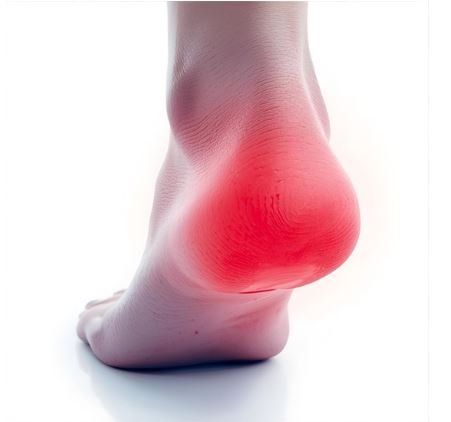
We diagnose all causes, including plantar fasciitis, fat pad contusion, and nerve impingement heel pain
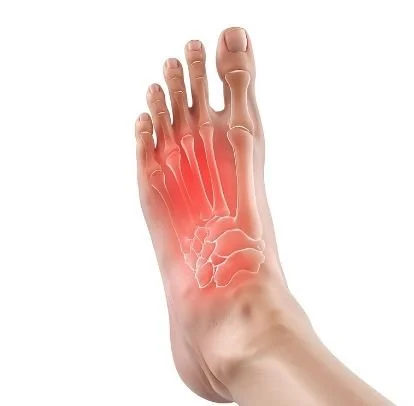
Should you run, walk, or rest, you need to know if pain is a stress reaction, capsulitis, osteochondroses, or a Stress Fracture
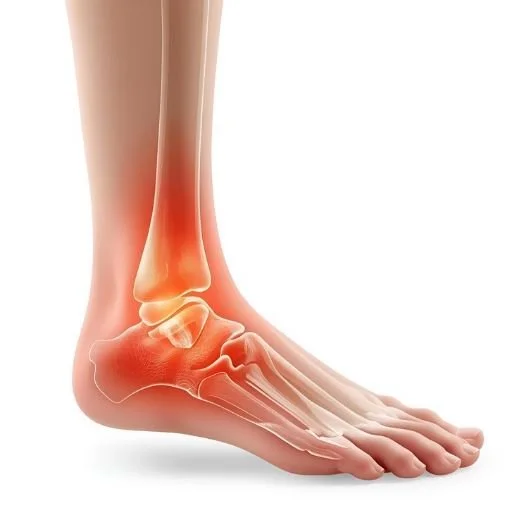
Ankle and big toe joint problems can limit movement, but we help keep you active with expert care for arthritis

We diagnose neuroma, plantar plate injury, and sesamoiditis—common causes of forefoot pain and metatarsalgia
Heel Pain
Pain under the heel is one of the most common reasons people seek podiatry care. It can develop gradually or appear suddenly, often making it difficult to walk comfortably first thing in the morning or after long periods of standing. The most frequent cause is plantar fasciitis — inflammation or irritation of the band of tissue that supports the arch — but other conditions such as heel spurs, nerve irritation, or stress injury may also be involved.
At Tim Pain Podiatry, we carefully assess the cause of your heel pain through detailed examination, gait analysis, and review of your activity and footwear. Once the underlying problem is identified, we develop a personalised treatment plan to relieve pain, restore movement, and prevent recurrence. With the right management, most people return to pain-free activity and improved comfort in just a few weeks
If you have heel pain please book a biomechnical assessment.
Stess Fractures
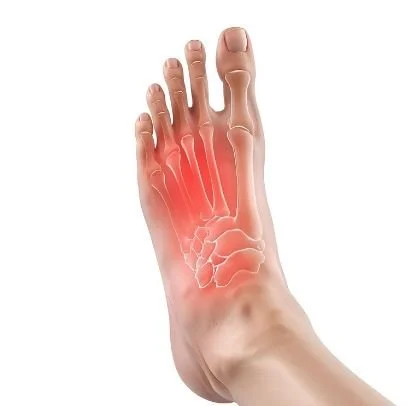
Stress fractures are tiny cracks in the bone caused by repetitive stress or overuse, commonly affecting the foot and lower leg. They often develop gradually, with pain that worsens during activity and eases with rest. These injuries are frequent among runners, active individuals, and people who have recently increased their activity levels or changed footwear.
At Tim Pain Podiatry, we specialise in diagnosing and managing stress fractures through detailed biomechanical assessment, gait analysis, and imaging where required. Early and accurate diagnosis is essential to prevent worsening injury.
Treatment may include a period of rest, activity modification, and protective support using a moon boot or CAM walker to allow proper healing. We also address underlying causes such as training errors, footwear issues, or bone stress to reduce recurrence. With the right care and guidance, most patients return safely to their usual activities, pain-free and confident.
If you have a stress fracture please book a biomechanical assessment.
Metatarsalgia
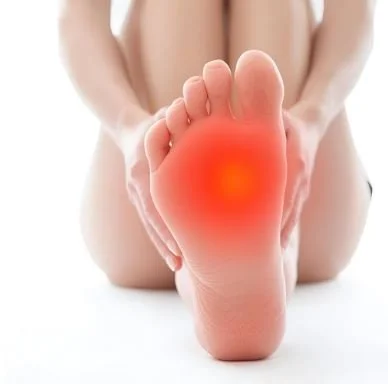
Metatarsalgia refers to pain and inflammation in the ball of the foot, a common problem that can make walking or standing uncomfortable. The discomfort often feels like a burning, aching, or bruised sensation beneath the toes and may worsen with activity or certain footwear.
There are several possible causes, including neuromas (nerve irritation), bursitis (inflammation of small fluid sacs), and plantar plate injuries (damage to the stabilising tissue beneath the toes). These conditions can develop from repetitive pressure, poor foot mechanics, footwear that’s too tight, or changes in activity levels.
At Tim Pain Podiatry, we perform a detailed assessment to identify the exact source of pain and contributing factors. Treatment may include footwear advice, orthotic support, activity modification, or targeted therapies to relieve pressure and restore comfort. With accurate diagnosis and a tailored plan, most people experience significant improvement and a return to pain-free movement.
If you have metatrasalgia please book a biomechanical assessment.
Arthritis
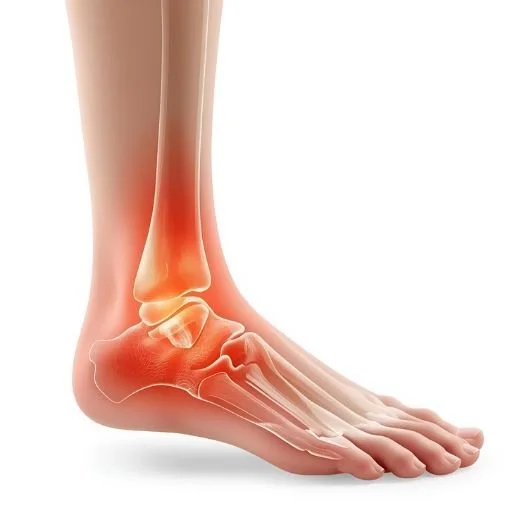
Foot arthritis can cause persistent pain, stiffness, and reduced mobility, affecting everyday activities like walking, exercising, or simply standing for long periods. It commonly occurs in the big toe joint (hallux) and the ankle, where wear and tear or inflammation gradually damages the joint surfaces. Over time, the joints may become swollen, tender, and limited in movement, making it difficult to push off the ground or maintain balance.
Our podiatrists play a key role in assessing and managing foot arthritis. A thorough examination identifies which joints are affected and how the condition impacts your gait, footwear, and daily function. Treatment often includes custom orthotics to improve joint alignment, footwear modifications to reduce pressure on painful areas, targeted exercises, and load management strategies to protect the joint.
With the right guidance, many people experience significant relief and improved function. Early intervention helps slow progression, restore confidence, and keep you moving comfortably.
If you have metatrasalgia please book a biomechanical assessment.