
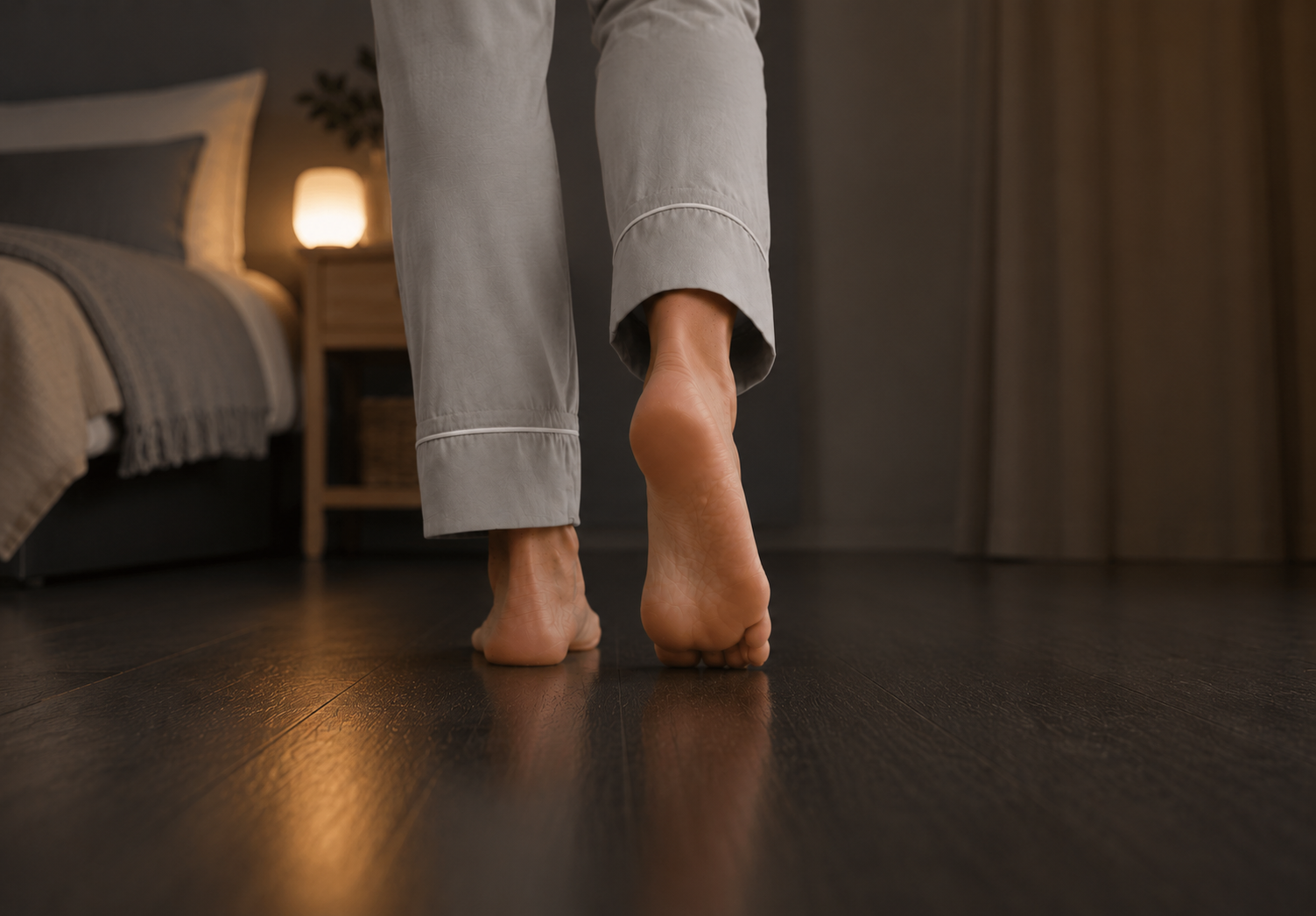
Heel Pain Not Improving?
Most heel pain and lower limb pain settles with simple treatment. If it hasn’t, there is usually a reason.
We assess why your heel pain is persisting and provide a clear treatment pathway.

When Heel Pain Keeps Returning
Heel pain can affect walking, work, exercise, and daily activity. Some people improve quickly with simple treatment, while others continue to struggle despite trying several approaches.
Many patients we see have already tried:
stretching
massage
footwear changes
online exercises
orthotics
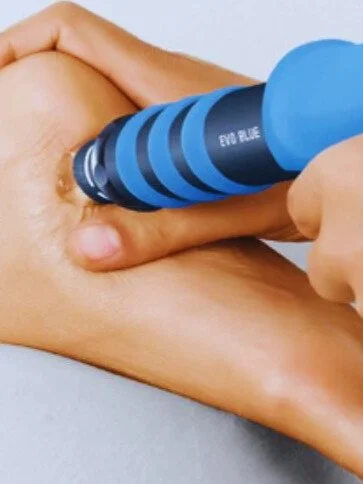
shockwave therapy
rest
injections
Sometimes these treatments help temporarily. Sometimes symptoms continue because the underlying contributing factors have not been properly identified.
If you have heel pain please book a biomechnical assessment.

Heel Pain Is Not Always The Same
Not all heel pain is simply “plantar fasciitis”.
Pain under or around the heel may involve:
plantar fascia irritation
heel fat pad pain
Achilles tendon problems
nerve irritation
stress-related bone injuries
calf tightness and load issues
walking and movement factors
running overload injuries
Different causes often require different management approaches.
You May Be Experiencing
Pain when getting out of bed
Pain after standing or walking
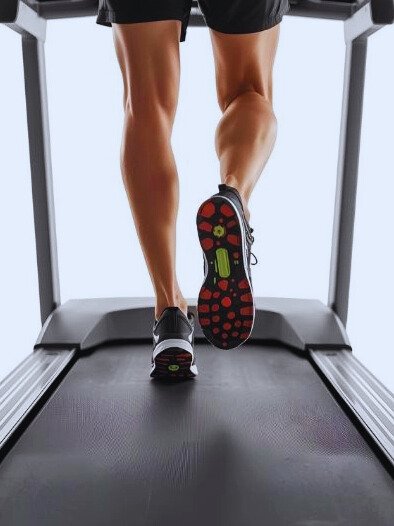
Pain during or after running
Heel pain that improves briefly then returns
Pain that worsens with activity
Difficulty walking comfortably
Ongoing pain despite previous treatment
Uncertainty about what is actually causing the pain
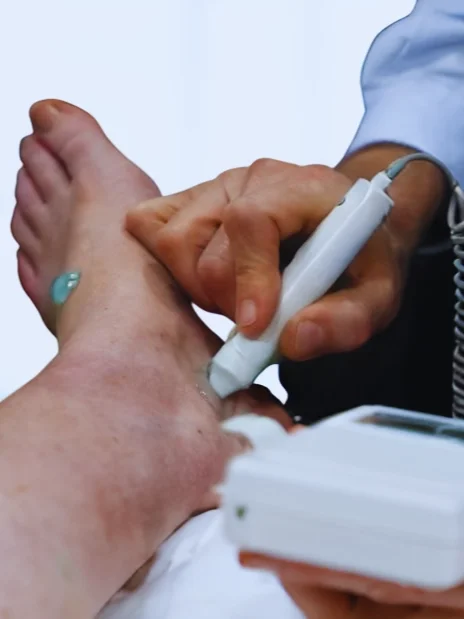
Why Does Heel Pain Sometimes Not Improve?
Heel pain often persists when:
the diagnosis is incomplete
contributing factors are not identified
activity load is not managed properly
footwear is contributing to overload
strength and movement factors are overlooked
treatment is too generic
multiple contributing issues are present
Our focus is understanding:
why the pain developed
what is continuing to aggravate the area
why previous treatment may not have worked
what is most likely to help recovery
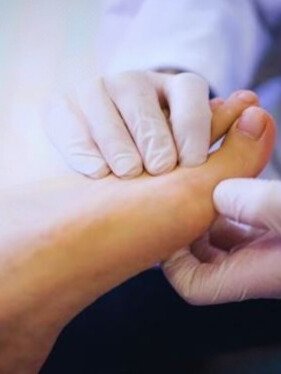
What We Assess
A comprehensive assessment of your feet, focusing on overall Assessment may include:
discussion of symptom history
location and behaviour of pain
walking and movement assessment
calf flexibility and strength
footwear assessment
activity and training review
previous treatment history
loading and biomechanical factors
imaging review where relevant
The goal is to understand the likely contributors to the pain rather than simply focusing on the painful area itself.
Treatment Depends On The Cause
Treatment recommendations depend on:
the type of heel pain
symptom duration
activity demands
contributing movement and loading factors
previous treatment response
Depending on the assessment findings, treatment may include:
activity and load modification
footwear advice
calf and strengthening exercises
mobility programs
taping or padding
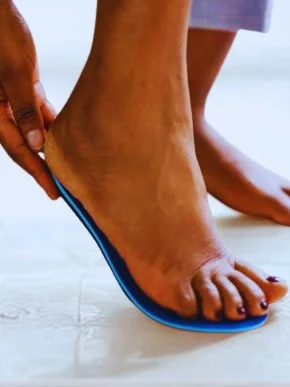
orthotic therapy where appropriate
running load management
imaging referral where required
review of contributing biomechanical factors
The aim is not simply short-term pain relief, but improving the factors contributing to the problem.

Heel Pain In Runners And Active Patients
Heel pain in runners and active individuals is often influenced by:
sudden training changes
running load
calf strength and flexibility
recovery patterns
footwear
underlying overload patterns
Persistent running injuries often require more than simple rest alone.
If your child requires an assessment please book a biomechanical assessment.
Why Patients Choose Tim Pain Podiatry
Experienced local podiatry practice
Focus on persistent foot and leg pain
Clear explanation before treatment
Assessment-based approach
Practical treatment plans
Experience with walking, work, and running-related pain
Established Bellerive practice

Still Struggling With Heel Pain?
If your heel pain:
keeps returning
is limiting walking or activity
is not improving despite treatment
improves briefly then flares again
is affecting running or work
a more detailed assessment may help identify why